


What proper TPMS fault tracing gives you
Find the cause first
We check pressure, leaks and communication before deciding what the repair needs.
Repairs beyond a simple reset
The fix may involve a leak, a valve part or a sensor, not just clearing a light.
Helps catch pressure loss early
A working TPMS system makes it easier to spot trouble before the tyre suffers.
Find out why the warning came on
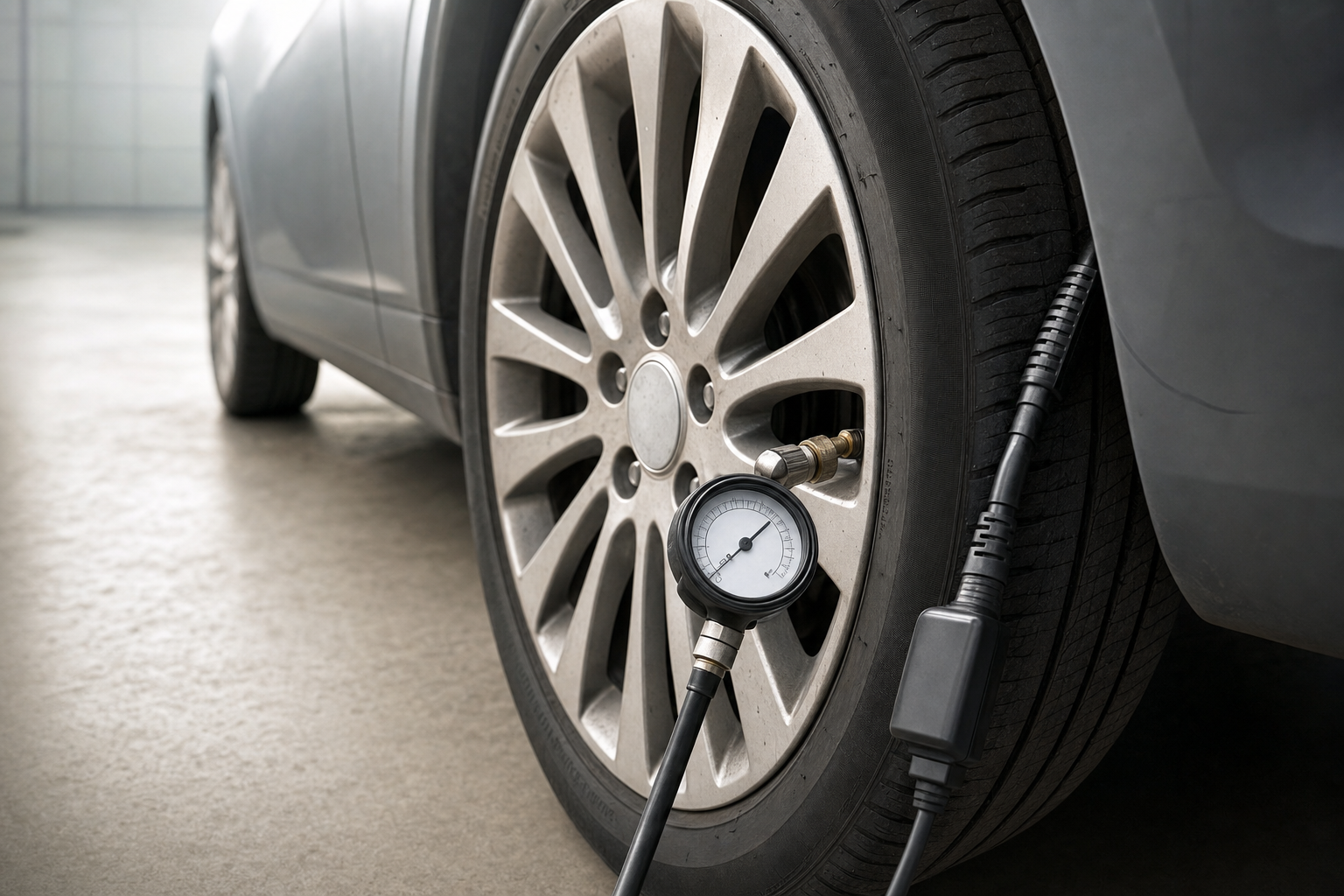
A TPMS warning light can mean exactly what it says, or it can point to a fault in the system itself. The trick is not to guess. We start by checking the tyre pressures, looking for leaks and assessing the valves and sensor communication so we can tell the difference between real pressure loss and a system problem. With Knowsley Tyres, the fault finding comes first, because clearing a light without fixing the cause is no use to anyone.
Repair the cause, then reset the system
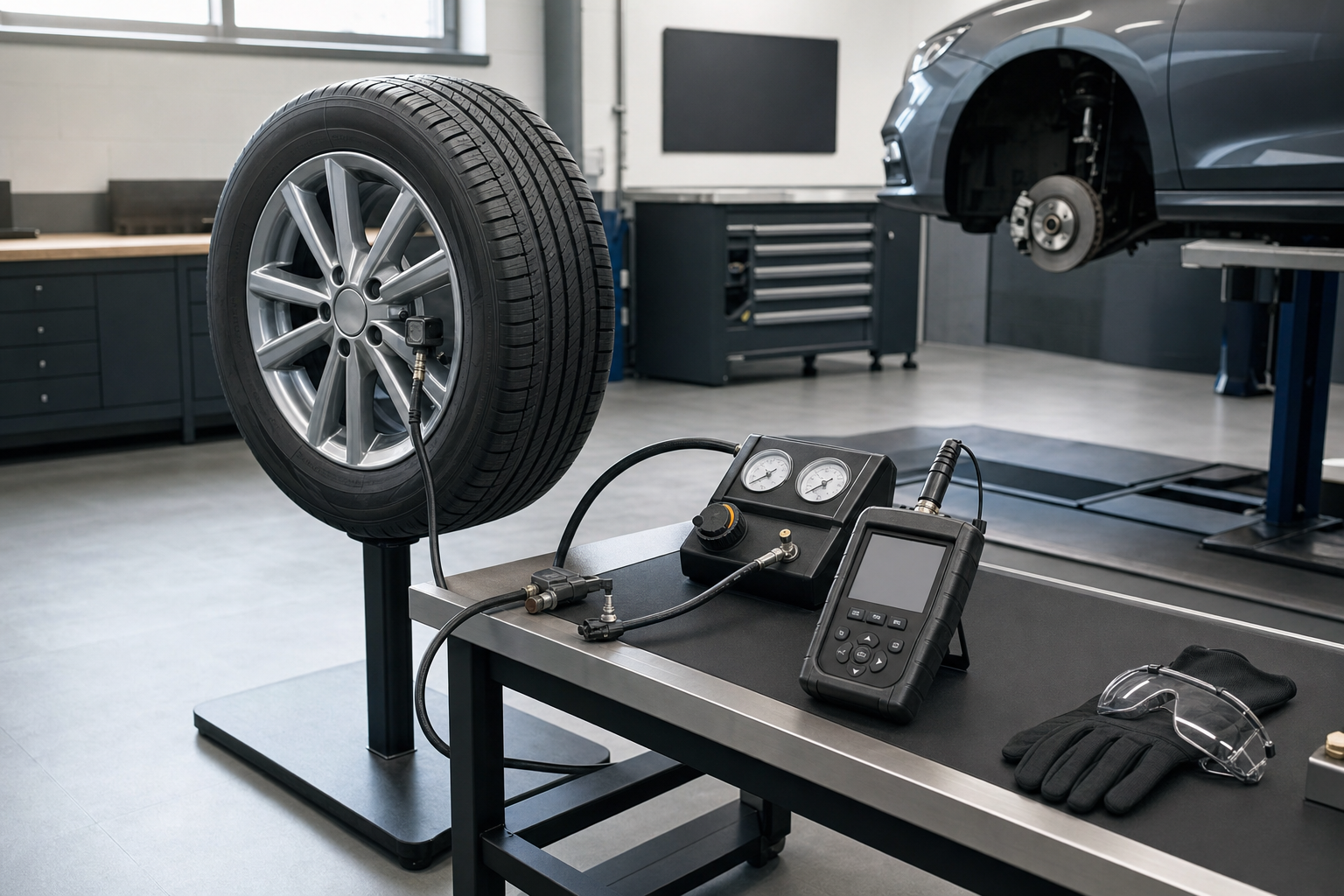
Once the cause is clear, the repair may be as simple as correcting pressure and dealing with a leak, or it may involve servicing valve parts or replacing a failed sensor. We then carry out the reset or relearn stage needed to restore communication between the working sensors and the vehicle. Choosing Knowsley Tyres for TPMS repair helps keep the system useful, so pressure loss can be picked up earlier and tyre care stays more consistent.
Frequently asked questions
Why has my TPMS warning light come on?
It may be warning about genuine low pressure, a puncture or leak, or a fault with a valve or sensor. The light tells you something needs checking, but it does not always tell you which part is to blame.
Can a puncture trigger a TPMS fault light?
Yes. If the tyre loses enough pressure, the system should spot it and warn you. That is why we check the tyre itself first before assuming the fault sits inside the electronics.
Do all TPMS faults need a new sensor?
No. Some issues are resolved by correcting pressure, fixing a leak or dealing with valve components. Sensor replacement is only one of several possible repair routes once the real cause is clear.