


What makes a puncture repair worth doing
Repair only when safe
The damage, tyre condition and underinflation signs all affect whether repair is right.
Internal inspection matters
Removing the tyre helps us find hidden damage that a quick outside look can miss.
Balancing can finish the job
After refitting, wheel balancing can smooth things out if correction is needed.
Check the whole tyre, not just the hole
A puncture is not always obvious. Sometimes it is a screw in the tread. Sometimes it is a tyre that needs topping up again and again or a warning light that keeps returning. A proper puncture repair starts with removing the tyre and checking both the inside and the outside, because the damage you cannot see matters just as much as the bit you can. With Knowsley Tyres, we assess the tread area, the size of the hole, the condition of the sidewall and any harm caused by driving on the tyre while underinflated before deciding the safe outcome.
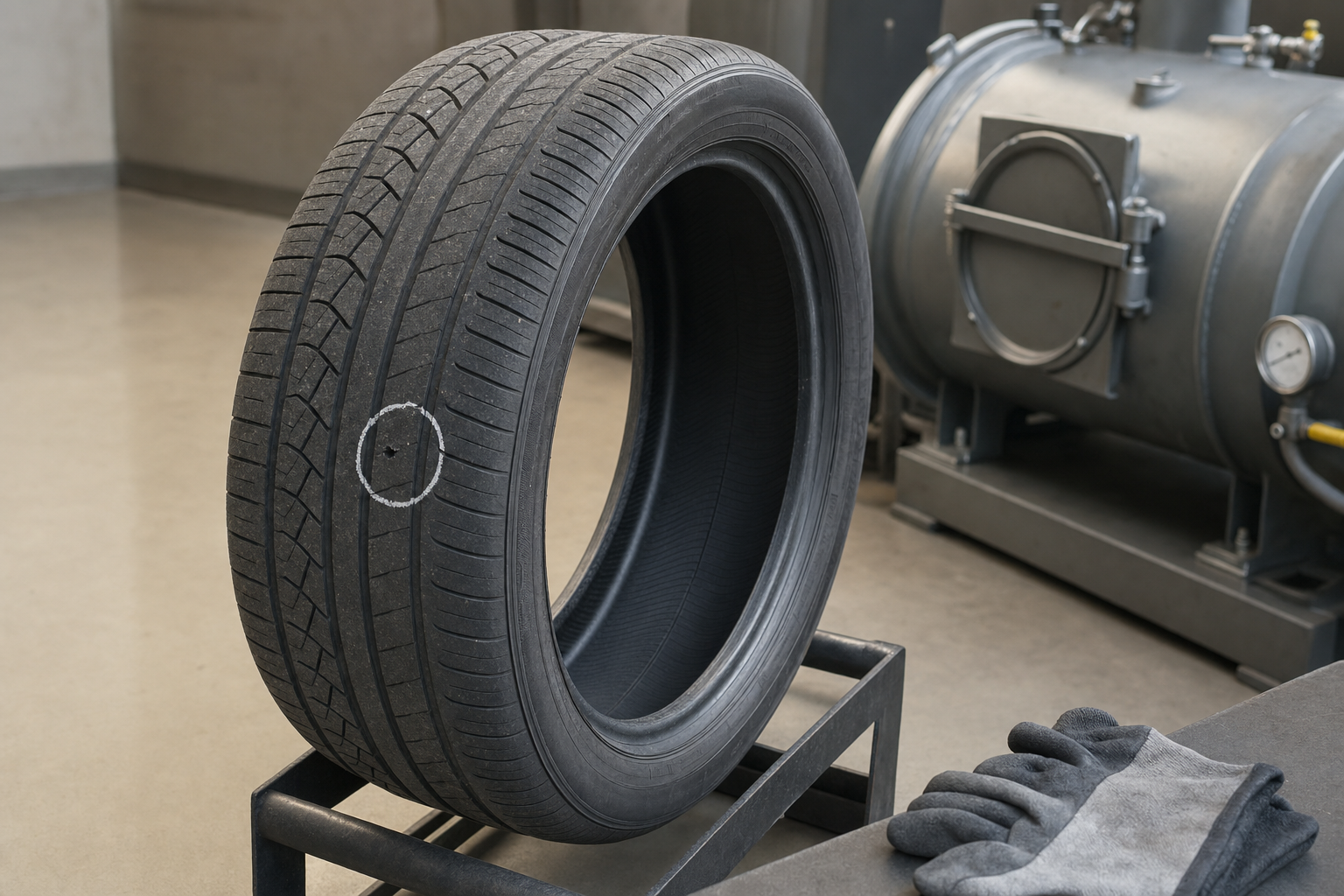

Repair the puncture and test it properly
If the tyre is suitable for repair, we use the correct internal method, then refit it, inflate it and test for leaks before the vehicle goes back on the road. That matters because a rushed plug from the outside does not tell the full story of what happened inside the tyre. Choosing Knowsley Tyres also means workshop balancing is available after the tyre is refitted, so the job can be finished properly if the wheel needs correction.
Frequently asked questions
Can every puncture be repaired?
No. The position and size of the puncture matter, and so does the condition of the sidewall and inner casing. If the tyre has been driven while badly underinflated or the damage sits in the wrong area, replacement may be the safer answer.
Why does the tyre need removing for inspection?
Because the outside does not always show the full picture. Removing the tyre lets us inspect the internal structure for hidden damage, heat build-up or sidewall harm, which is essential before deciding whether a repair is suitable.
Will the wheel need balancing afterwards?
It can do. Once a repaired tyre is refitted, balancing may be useful if the wheel needs correction. That helps smooth out the drive and avoids leaving the job nearly finished but not quite right.